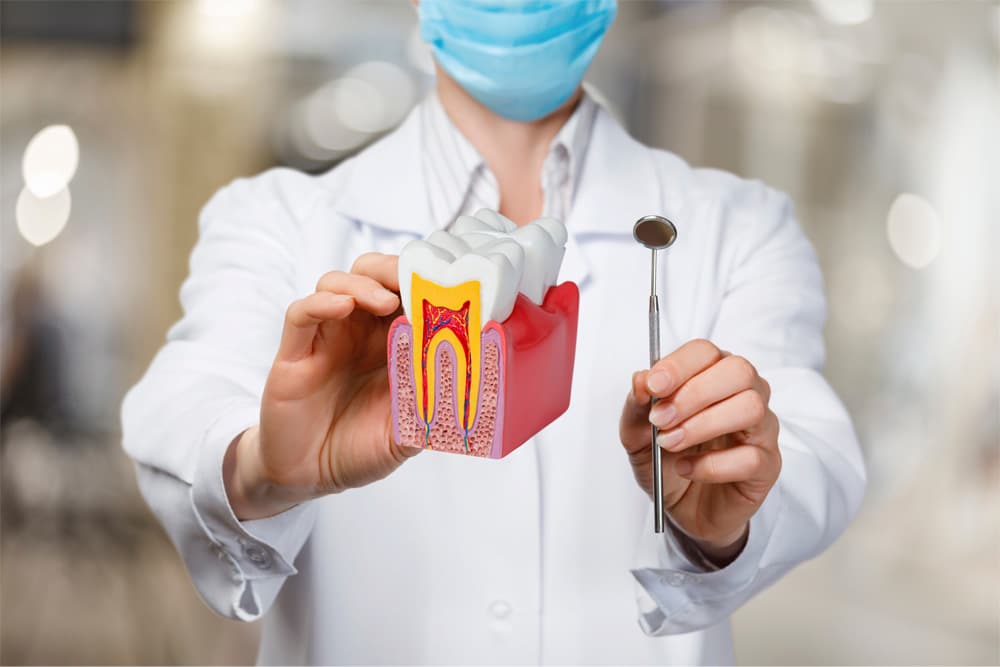
Endodontics is a specialized branch of dentistry that deals with the complex structures found inside the teeth. The Greek word “Endodontics” literally means “inside the tooth,” and relates to the tooth pulp, tissues, nerves and arterioles. Endodontists receive additional dental training after completing dental school to enable them to perform both complex and simple procedures, including root canal therapy.
Historically, a tooth with a diseased nerve would be removed immediately, but endodontists are now able to save the natural tooth in most cases. Generally, extracting the inner tooth structures, then sealing the resulting gap with a crown restores health and functionality to damaged teeth.
Signs and symptoms of endodontic problems:

Oral bacteria is the most common cause of endodontic problems. Bacteria invade the tooth pulp through tiny fissures in the teeth caused by tooth decay or injury. The resulting inflammation and bacterial infection jeopardize the affected tooth and may cause an abscess to form.
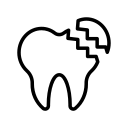
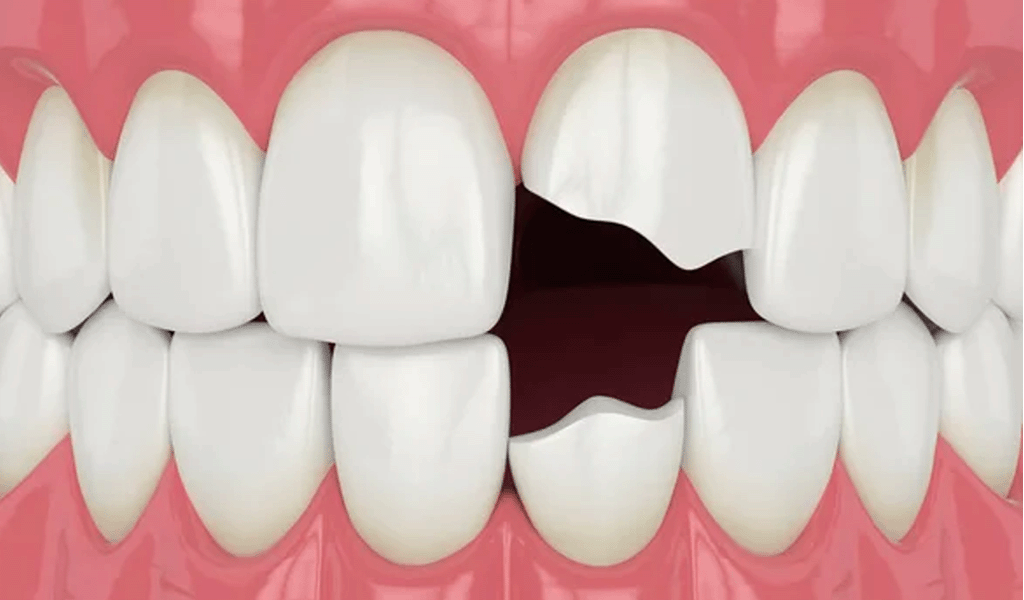
When a large part of the surface or crown of the tooth has become completely detached, root canal therapy may be required. The removal of the crown portion leaves the pulp exposed, which can be debilitating painful and problematic.
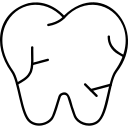
Injuries to the teeth can be caused by a direct or indirect blow to the mouth area. Some injuries cause a tooth to become luxated, or dislodged from its socket. Root canal therapy is often needed after the endodontist has successfully stabilized the injured tooth.
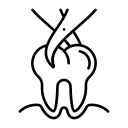
If a tooth has been knocked clean out of the socket, it is important to rinse it and place it back into the socket as quickly as possible. If this is impossible, place the tooth in special dental solution (available at pharmacies) or in milk. These steps will keep the inner mechanisms of the tooth moist and alive while emergency dental treatment is sought. The tooth will be affixed in its socket using a special splint, and the endodontist will then perform root canal therapy to save the tooth.
Root canal therapy usually takes between one and three visits to complete. Complete X-rays of the teeth will be taken and examined before the treatment begins.
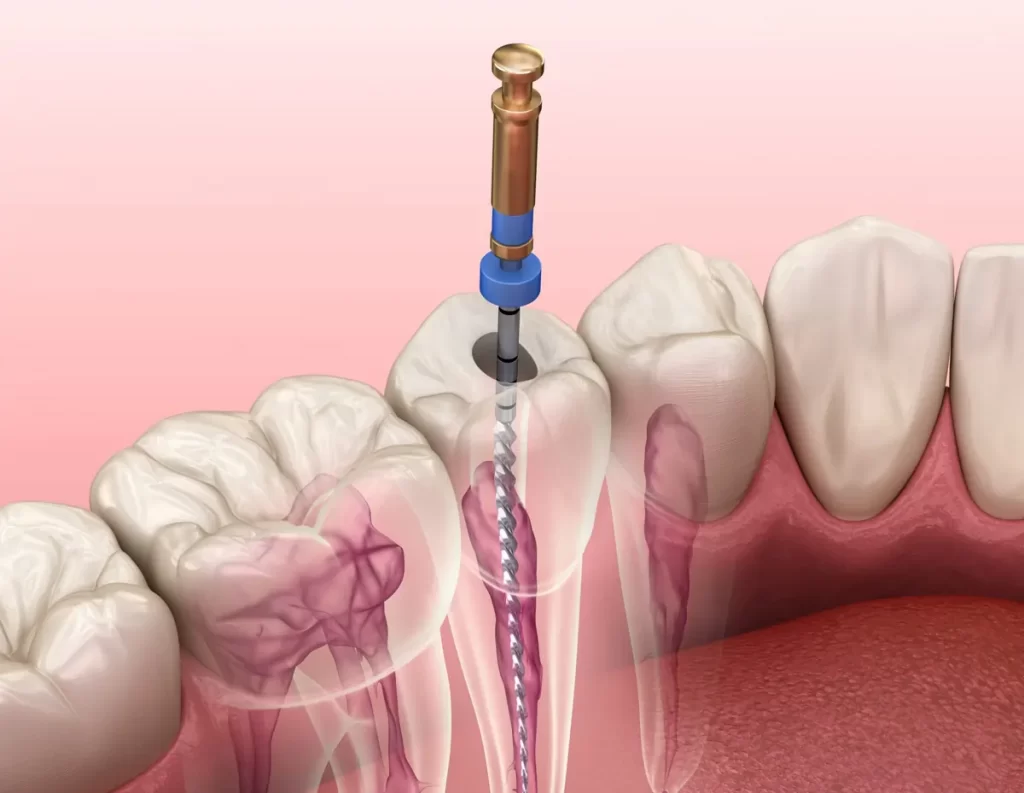
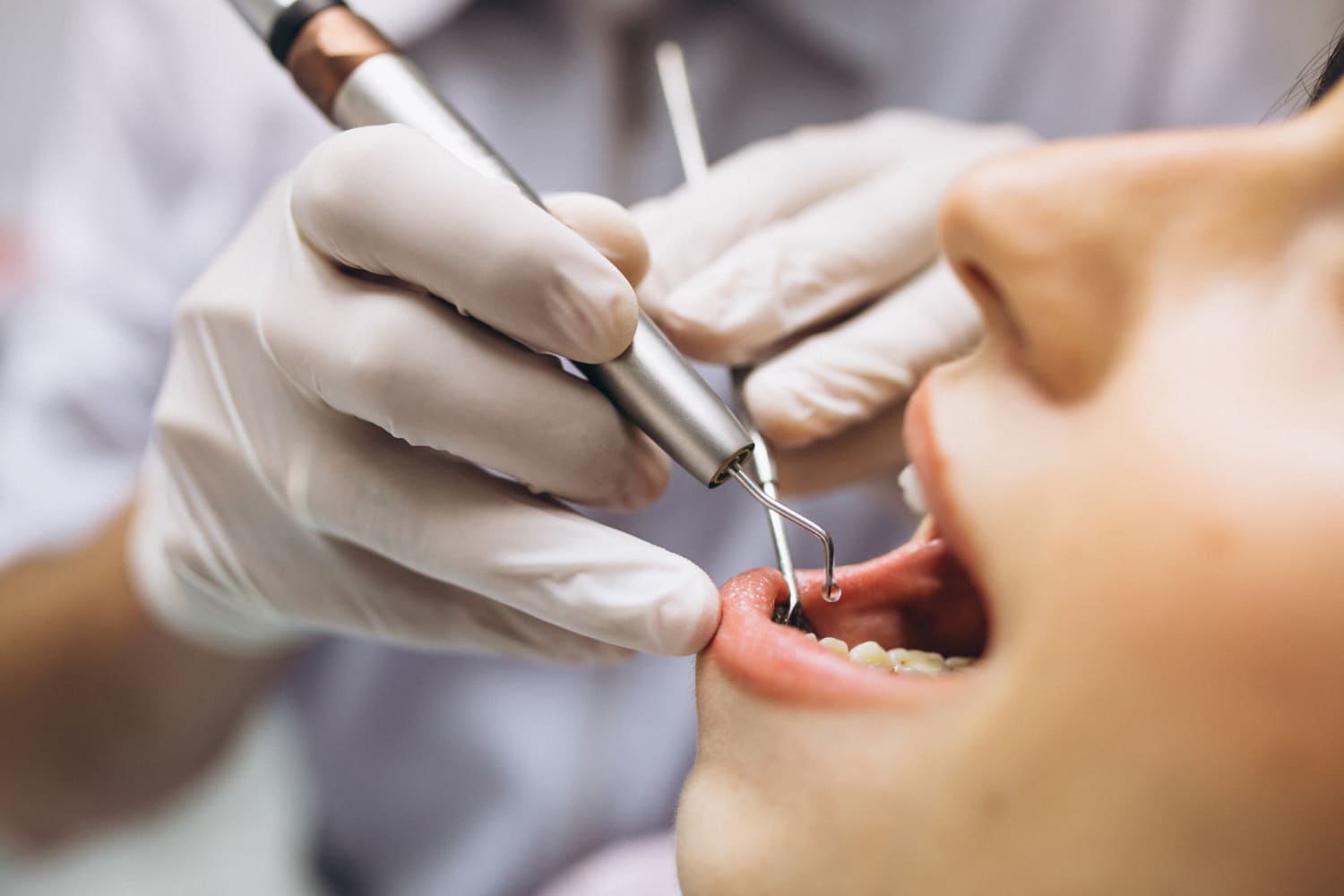
Initially, a local anesthetic will be administered, and a dental dam (protective sheet) will be placed to ensure that the surgical area remains free of saliva during the treatment. An opening will be created in the surface of the tooth, and the pulp will be completely removed using small handheld instruments.
The space will now be shaped, cleaned and filled with gutta-percha. Gutta-percha is a biocompatible material that is somewhat similar to rubber. Cement will be applied on top to ensure that the root canals are completely sealed off. Usually, a temporary filling will be placed to restore functionality to the tooth prior to the permanent restoration procedure. During the final visit, a permanent restoration or crown will be placed.
Cracked and fractured teeth are common dental problems. As people retain their natural teeth longer (due to advances in dental technology), the likelihood of cracked teeth increases. There are many reasons why teeth may crack, for example, biting on hard objects, trauma, grinding and clenching of teeth. All of these behaviors place the teeth under extra strain and render them more susceptible to cracking.
When tooth enamel is cracked, pain can become momentarily debilitating. When no pressure is exerted on the crack there may be no discomfort. However, as the cracked tooth performs a biting action, the crack widens. The pulp and inner workings of the tooth then become exposed, and painful irritation occurs. As pressure is released again, the two parts of the crack fuse back together, and pain subsides. If left untreated, the pulp becomes irreversibly damaged and constantly painful. The resulting pulp infection can affect the bone and soft tissue surrounding the tooth.
In rare cases, root canal therapy fails to work as expected. The treated tooth might not heal properly or a patient might experience post-surgical complications that jeopardize the tooth. Root canal retreatment involves the removal of the previous crown and packing material, the cleansing of the root canals, and the re-packing and re-crowning of the tooth. In short, root canal retreatment is almost identical to the original procedure, aside from the structural removal. The success rate for a root canal retreatment runs at around 75%.
Root canal treatments and retreatments are a better alternative than extraction for most individuals. If a tooth has good bone support, a solid surface and healthy gums beneath it, it stands a good chance of being saved. Opting for root canal retreatment can be far less expensive than the alternatives. Dental implants, extensive bridgework and the creation of aesthetically pleasing prosthetic teeth cost far more than working with the natural tooth. They also require maintenance and feel less natural than a “real” tooth.
Root amputation is a specialized dental procedure, whereby one root is removed from a multi-root tooth. The tooth is then stabilized and rendered fully functional with a crown or filling. The multi-root teeth best suited to the root amputation procedure are the molars at the back of the mouth. These large flat teeth have either two or three roots depending on whether they are situated on the upper or lower jaw.
The general purpose of root amputation is to save an injured or diseased tooth from extraction. Most dentists agree that there is no better alternative than retaining a healthy natural tooth, and the root amputation procedure makes this possible. Dental implants, extensive bridgework and custom-made tooth replacements can be expensive and time-consuming. Generally, root amputation and the necessary crown work are less expensive and can be completed in 1-3 short visits.